Source silkscreen printed leather menu book for Hotels Restaurants
Compare 30 options for silkscreen printed leather menu book designed for hotels, restaurants, and catering services. Buyers can evaluate customization, dimensions, and features like waterproofing and dustproofing across various models; compare the available evidence and request quotations based on your requirements.
Key considerations
Products List


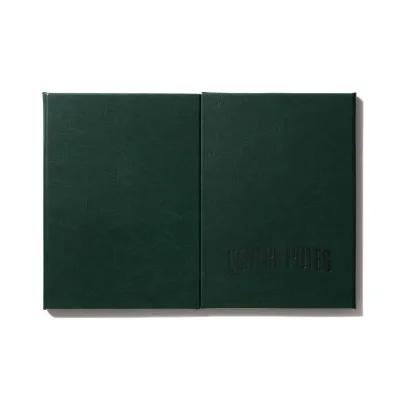
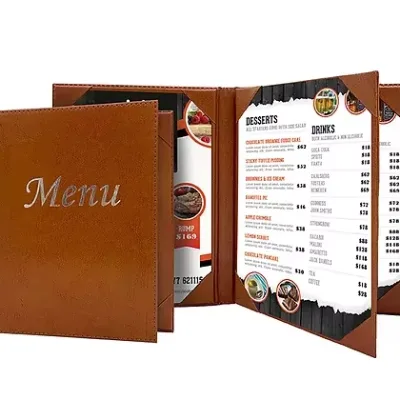
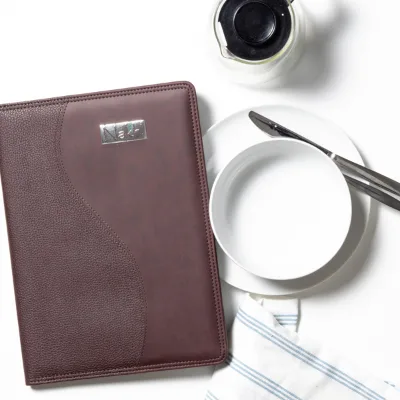


Comprehensive Sourcing Guide
Silkscreen Printed Leather Menu Book Sourcing Guide
Procuring silkscreen printed leather menu books requires a strategic balance between aesthetic customization and functional durability for high-traffic hospitality environments. Buyers must recognize that while the core product is often described as a minimalist folder or cover, the specific application extends to restaurant and hotel settings where frequent handling demands robust construction. The observed market signals indicate a strong preference for customizable logos and OEM services, allowing brands to maintain visual consistency across their establishments. This customization capability is not merely decorative but serves as a critical brand touchpoint, influencing customer perception before they even view the menu content.
The sourcing landscape reveals a diverse range of models, from standard A4 and A5 formats to specific dimensions like 12.5x9.8 inches, catering to varied menu sizes and binding preferences. Buyers should note that while many listings emphasize features like waterproofing and dustproofing, the actual material composition and coating processes vary significantly between suppliers. Understanding these technical distinctions is essential for selecting a product that withstands the rigors of daily use without compromising the premium feel associated with leather goods. This guide provides the necessary framework to navigate these variables effectively.
Product Scope and Observed Listing Signals
The current market for menu covers exhibits a wide price range, typically spanning from $0.05 to $13.95 per unit, reflecting significant variations in material quality, printing complexity, and order volume. Minimum order quantities (MOQs) are equally diverse, ranging from small batches of 2 units for sampling purposes to large industrial orders of up to 5,000 pieces. This disparity allows buyers to scale their procurement strategy based on immediate needs, whether testing new designs or fulfilling a full hotel chain rollout. The presence of both low-MOQ and high-volume options indicates a flexible supply chain capable of accommodating different business sizes and inventory turnover rates.
Observed product attributes highlight a strong emphasis on customization, with many suppliers offering tailored logo printing and color options such as black or brown. The style is predominantly minimalist, focusing on clean lines and professional aesthetics suitable for upscale dining environments. Functional claims like non-slip surfaces and easy cleaning are frequently cited, addressing practical concerns in busy restaurant operations. Additionally, the availability of sample production within 7 to 10 days enables rapid prototyping, allowing buyers to verify quality and design accuracy before committing to larger production runs. This agility is crucial for maintaining brand integrity and operational efficiency.
Technical Specifications to Verify
When evaluating technical specifications, buyers must prioritize the physical dimensions and binding methods to ensure compatibility with existing menu content and display systems. Common standards include A4, A5, and specific measurements like 8.5x11 inches or 12.5x9.8 inches, each serving different layout requirements. The choice between hard covers and perfect binding, as seen in brochure-style options, impacts both durability and the ease of page turning. It is essential to verify the paper type, such as cardboard or coated stock, as this affects the overall weight and perceived quality of the menu. Misalignment in size or binding can lead to operational inefficiencies and customer dissatisfaction.
Surface finishes and coating processes play a critical role in the longevity and maintenance of the menu cover. Options like embossing, film lamination, or uncoated finishes offer different tactile experiences and resistance to wear. Buyers should confirm whether the leather material is genuine or synthetic, as this influences care instructions and environmental impact. Features such as moisture proofing and dustproofing are vital for maintaining hygiene in food service areas. Verifying these details with the supplier ensures that the final product meets the specific environmental demands of the intended use case, preventing premature degradation and reducing replacement costs.
Compliance and Safety Documentation
While specific certification statuses are not universally disclosed in general listings, buyers must proactively request documentation to ensure compliance with local health and safety regulations. In the hospitality industry, materials used for menu covers must often meet strict hygiene standards, particularly regarding chemical safety and material durability. Buyers should inquire about the absence of harmful substances and verify that the leather or synthetic materials are safe for frequent handling and cleaning. This due diligence protects the brand from potential liability and ensures that the products align with corporate social responsibility goals.
Documentation should also cover the manufacturing standards and quality assurance processes employed by the supplier. Requesting details on testing procedures for waterproofing, dustproofing, and abrasion resistance provides insight into the product's reliability. Buyers should ensure that the supplier adheres to recognized industry practices for material sourcing and production. Clear communication regarding these requirements helps establish a transparent relationship and reduces the risk of receiving substandard goods. Proper documentation serves as a safeguard, ensuring that all procurement activities meet legal and ethical benchmarks.
Cost Drivers and Commercial Terms
Several factors influence the final cost of silkscreen printed leather menu books, including the complexity of the design, the volume of the order, and the specific material choices. Custom logo printing and embossing add to the production cost, while larger order volumes typically reduce the per-unit price through economies of scale. Buyers should analyze the trade-off between customization depth and budget constraints, ensuring that the aesthetic enhancements justify the additional expense. Understanding these cost drivers allows for more accurate budgeting and prevents unexpected financial overruns during the procurement process.
Commercial terms such as sample times, production lead times, and warranty policies are critical components of the procurement agreement. Most suppliers offer sample production within 7 to 10 days, facilitating quick design validation. However, full production lead times can vary, so buyers must plan accordingly to avoid stockouts. Warranty periods, often cited as 30 days after receipt, provide a safety net for quality issues. Clear negotiation of these terms ensures that both parties have aligned expectations regarding delivery schedules and post-purchase support, fostering a smoother transaction and long-term partnership.
Supplier Qualification and Quality Control
Evaluating supplier qualifications involves assessing their experience, production capabilities, and quality control measures. Suppliers with over ten years of experience often demonstrate greater reliability and expertise in handling complex customization requests. Buyers should verify the supplier's ability to manage OEM orders and their track record in delivering consistent quality. Requesting references or case studies can provide additional confidence in the supplier's capabilities. A thorough vetting process helps identify partners who can meet the specific demands of the hospitality industry, ensuring a seamless procurement experience.
Quality control protocols should be clearly defined and agreed upon before production begins. This includes specifying inspection criteria for printing accuracy, material consistency, and binding integrity. Buyers may consider implementing third-party inspections for large orders to ensure compliance with agreed standards. Establishing a clear feedback loop for addressing defects or discrepancies is essential for maintaining quality over time. By prioritizing rigorous quality control, buyers can minimize the risk of receiving defective products and protect their brand reputation. Effective quality management is a key determinant of long-term procurement success.
Long-Term Procurement Checks
Sustaining a successful procurement strategy requires regular review of supplier performance and product quality over time. Buyers should monitor key metrics such as delivery punctuality, defect rates, and responsiveness to issues. Establishing a periodic review process helps identify trends and areas for improvement, allowing for proactive adjustments to the sourcing strategy. Continuous engagement with suppliers fosters a collaborative relationship, encouraging innovation and better service levels. This ongoing evaluation ensures that the procurement process remains aligned with evolving business needs and market conditions.
Additionally, buyers should stay informed about industry trends and technological advancements in menu cover production. This includes exploring new materials, printing techniques, and sustainability practices that may offer competitive advantages. Regularly updating procurement criteria ensures that the organization remains at the forefront of quality and efficiency. By maintaining a forward-looking approach, buyers can adapt to changes in customer preferences and regulatory requirements. Long-term procurement checks are essential for building a resilient and adaptable supply chain that supports sustained business growth.
FAQs
Can I customize the logo on the leather menu cover?
Yes, customized logos are available for these menu covers. The product supports OEM services and allows for personalized branding to match your restaurant or hotel identity. This customization ensures that your establishment's unique visual style is prominently displayed on the menu, enhancing brand recognition and providing a professional appearance for your guests.
What are the standard sizes for these menu books?
Standard sizes include 12.5 by 9.8 inches, A4, 8.5 by 11 inches, and A5. These dimensions cater to various menu formats and content lengths. The variety allows you to select the most appropriate size for your specific needs, ensuring that your menu fits perfectly within the cover while maintaining a sleek and minimalist aesthetic for your dining establishment.
What is the minimum order quantity for these items?
The minimum order quantity varies by model, typically ranging from 300 to 500 pieces. Some listings indicate a lower MOQ of 2 pieces for sampling or small batches. This flexibility allows businesses to order according to their specific volume requirements, whether for a single new location or a large chain expansion, ensuring cost-effective procurement.
Are these menu covers waterproof and durable?
Yes, the menu covers are designed to be waterproof and dustproof. They also feature non-slip and moisture-proof properties to ensure longevity in busy restaurant environments. These functional attributes protect the menu pages from spills and wear, making them ideal for high-traffic hotel and restaurant settings where durability and easy cleaning are essential for daily operations.
How long does it take to get a sample?
Sample production typically takes seven days. For some models, the sample time may extend to seven to ten days. This lead time allows for quality verification before placing a bulk order. Buyers can use this period to assess the material quality, print accuracy, and overall finish to ensure the product meets their specific standards and expectations.
What materials and finishes are used for the covers?
The covers are made from leather or cardboard with options for embossing or film lamination. Some models feature hard covers with perfect binding for brochures. These material choices provide a premium feel and professional look. The surface finishes enhance durability and visual appeal, allowing for a sophisticated presentation that aligns with the minimalist style preferred by many modern hospitality venues.